Flash SaleInvest in your skills
'%3E%3Cpath fill='%23CDCCD8' stroke='%23CDCCD8' stroke-linecap='round' stroke-linejoin='round' stroke-width='1.5' d='M10.5 5.5C7.2 5.5 6 6.6 6 9.63 6 6.6 4.8 5.5 1.5 5.5 4.8 5.5 6 4.4 6 1.38 6 4.4 7.2 5.5 10.5 5.5'/%3E%3C/g%3E%3Cdefs%3E%3CclipPath id='a'%3E%3Cpath fill='%23fff' d='M0 0h12v11H0z'/%3E%3C/clipPath%3E%3C/defs%3E%3C/svg%3E) Accelerate your career

 TECHADEMY
Popular & Trending
 PMIPopularProject Management Professional (PMP) Certification
 i-Hub IIT PatnaTrendingAI & Data Science Certification Program from Vishlesan i-Hub Foundation IIT Patna
 i-Hub IIT PatnaTrendingAgentic AI Program from Vishlesan i-Hub Foundation IIT Patna
 TechademyPopularCertified AI Solutions Architect
 TechademyPopularCertified AI Native Project Manager
 TechademyPopularCertified AI Native Business Analyst
Agentic AI & Data Science
i-Hub IIT PatnaTrendingAI & Data Science Certification Program from Vishlesan i-Hub Foundation IIT Patnai-Hub IIT PatnaTrendingAgentic AI Program from Vishlesan i-Hub Foundation IIT Patna TechademyBest sellerCertified Agentic AI Engineering Program
 TechademyBest sellerCertified Agentic AI No Code Bootcamp
 TechademyBest sellerAI Forward Deployed Engineer (FDE) Transition Program
 TechademyAI ML Career Transition Program
 TechademyAI ML Interview Preparation Program
Artificial Intelligence
TechademyPopularCertified AI Solutions Architect TechademyAI Mastery BootcampTechademyPopularCertified AI Native Business Analyst
 TechademyCertified AI Native Marketing Accelerator
 TechademyCertified No-Code AI DeveloperTechademyPopularCertified AI Native Project Manager
 TechademyTrendingAI Native Product Manager Transition Bootcamp
 TechademyTrendingCertified AI Native Product Manager
 TechademyPopularCertified AI Native Scrum Master
 TechademyAI Side Hustle Bootcamp
Project Management


Agile Management
 Scrum AlliancePopularCertified ScrumMaster (CSM) Training & Certification
 Scrum AllianceBest sellerCertified Scrum Product Owner (CSPO) Certification Training
 ICAgileCertified Agile Coach (ICP-ACC) Certification
 Scrum.orgProfessional Scrum Product Owner (PSPO) Certification
 Scrum.orgProfessional Scrum Master (PSM) Certification
 Scrum.orgPSM A Certification Training Course
 Scrum AllianceBest sellerA-CSPO Certification Training
 Scrum AllianceAdvanced Certified Scrum Master (A-CSM) Certification Training
 Scrum AllianceBest sellerCSP-SM Certification Training
Cyber Security


BI and Visualization


IT Service Management


Cloud Computing


'%3E%3Cpath stroke='%23CDCCD8' stroke-linecap='round' stroke-linejoin='round' stroke-width='1.5' d='M16.63 9.5c-5.23 0-7.13 1.9-7.13 7.13 0-5.23-1.9-7.13-7.12-7.13C7.6 9.5 9.5 7.6 9.5 2.38c0 5.22 1.9 7.12 7.13 7.12'/%3E%3C/g%3E%3Cdefs%3E%3CclipPath id='a'%3E%3Cpath fill='%23fff' d='M0 0h19v19H0z'/%3E%3C/clipPath%3E%3C/defs%3E%3C/svg%3E) Scrum Alliance CSM Training
CSM Certification Training in Minneapolis
Earn the Scrum Alliance CSM through 16 hours of live online training, timed for Twin Cities workweeks.

Looking for more details? Download Brochure'%3E%3Cpath stroke='%23fff' stroke-linecap='round' stroke-linejoin='round' stroke-width='1.5' d='M3.33 14.17v1.66A1.67 1.67 0 0 0 5 17.5h10a1.67 1.67 0 0 0 1.67-1.67v-1.66m-10.84-5L10 13.33l4.17-4.16M10 3.33v10'/%3E%3C/g%3E%3Cdefs%3E%3CclipPath id='a'%3E%3Cpath fill='%23fff' d='M0 0h20v20H0z'/%3E%3C/clipPath%3E%3C/defs%3E%3C/svg%3E)
'%3E%3Cpath d='M3.07 12.87a7.5 7.5 0 1 1 13.86-5.74 7.5 7.5 0 0 1-13.86 5.74'/%3E%3Cpath d='m7.5 10 1.67 1.67 3.33-3.34'/%3E%3C/g%3E%3Cdefs%3E%3CclipPath id='a'%3E%3Cpath fill='%23fff' d='M0 0h20v20H0z'/%3E%3C/clipPath%3E%3C/defs%3E%3C/svg%3E) Live online classes, guaranteed to run and hands-onMentorship and Scrum-enablement sessions after classRole-plays, case studies, games and simulations

 16Hours of live training
 4Full-length mock tests
 300+Practice questions
 750k+Careers transitioned


 Join 750k+ learners

' d='M7.08 1.27a.6.6 0 0 0-.5 0 1 1 0 0 0-.24.24l-.17.32-1.25 2.53-.04.08-.09.02-2.8.4-.34.06a.6.6 0 0 0-.31.16.6.6 0 0 0-.15.47c.01.14.09.24.15.31l.25.26 2.03 1.97.06.06-.02.09-.47 2.78q-.05.21-.05.35-.03.16.05.35.13.23.4.29a.6.6 0 0 0 .34-.06l.32-.15 2.5-1.32.08-.04.08.04 2.5 1.32q.18.1.32.15a.6.6 0 0 0 .35.06.6.6 0 0 0 .4-.3.6.6 0 0 0 .05-.34q-.01-.15-.05-.35L10 8.24l-.01-.09.06-.06 2.02-1.97q.15-.14.25-.26a.6.6 0 0 0 .16-.31.6.6 0 0 0-.15-.47.6.6 0 0 0-.31-.16l-.35-.06-2.8-.4-.09-.02-.04-.08-1.25-2.53-.17-.32a1 1 0 0 0-.24-.24'/%3E%3Cdefs%3E%3ClinearGradient id='a' x1='1.07' x2='12.17' y1='6.83' y2='6.83' gradientUnits='userSpaceOnUse'%3E%3Cstop offset='.68' stop-color='%23FEBC3B'/%3E%3Cstop offset='.69' stop-color='%23FEBC3B' stop-opacity='0'/%3E%3C/linearGradient%3E%3C/defs%3E%3C/svg%3E) 4.8/5 (7,900+ ratings)
Community

What Your Minneapolis CSM Course Includes


Live Online Training
16 hours of live, instructor-led classes, with weekday and weekend batches for Minneapolis schedules.

16 PDUs and 16 SEUs
Collect 16 PDUs and 16 SEUs toward the continuing education your credentials require.

Certified Scrum Trainers
Scrum Alliance CSTs teach every class, using case studies from medical technology and financial services.

Mentoring and Careers
Post-class mentorship, career services and job placement support, plus a way into the Twin Cities agile community.

2-Year Membership
Two years of Scrum Alliance membership, which opens its global community and member forums to you.

Exam Fee Included
Your fee covers the CSM exam, plus one retake with one-on-one support from a mentor.

Mock Tests, Workshops
4 full-length mock tests and interactive workshop sessions that walk through the curriculum and the exam.

Gen AI Sessions
Live Gen AI sessions built for Scrum Masters, taught by an instructor in real time.
Why Choose Techademy

Top-Tier CSTs
Scrum Alliance Certified Scrum Trainers lead each session, drawing on years of coaching teams across many industries.


Guaranteed-To-Run Workshops
Every scheduled batch runs, and each workshop is built on team activities and practical Agile case studies.
Effortless Exam Preparation
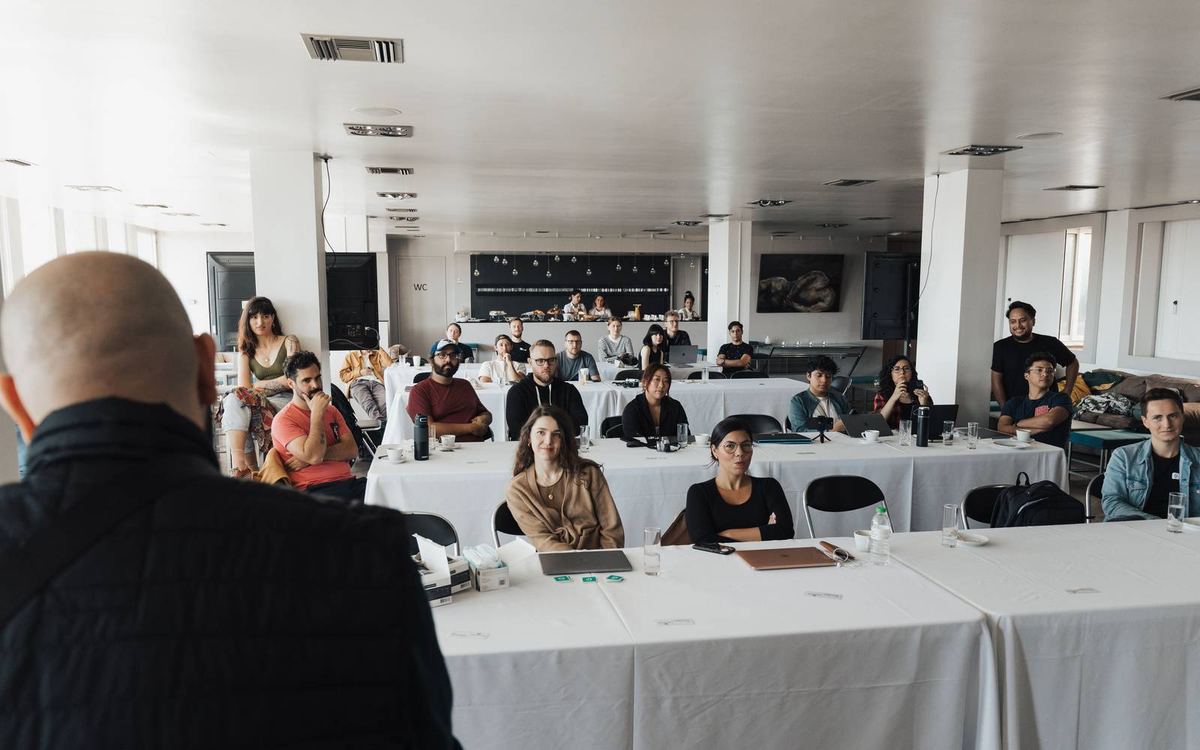
Four full-length mock tests, a 300+ question premium bank and daily doubt sessions get you ready for the CSM exam.

Recognized Scrum Alliance REA
Techademy is a Registered Education Ally of Scrum Alliance and has trained more than 750,000 professionals.
Mentorship from Industry Leaders
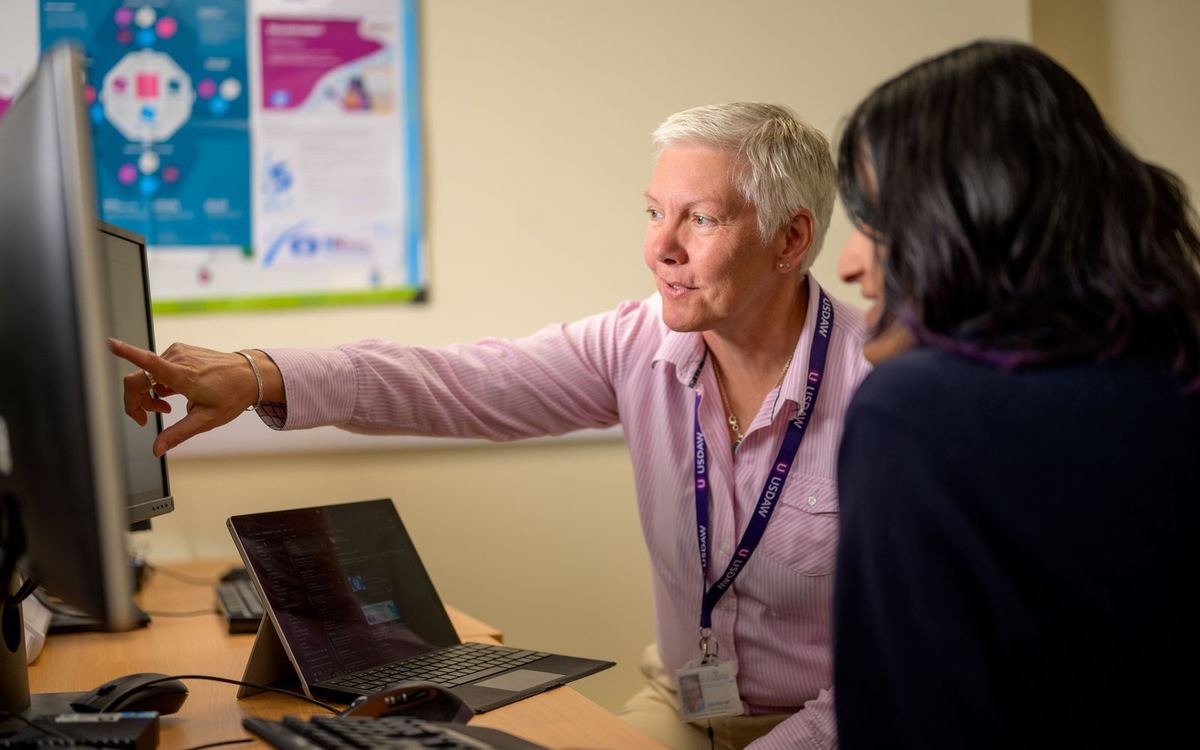
Experienced CSTs share practical advice, field-tested tips and the lessons they learned leading real Scrum teams.

Connect with Global Communities
Meet Agile professionals worldwide through Techademy's Scrum communities, and grow your network beyond Minneapolis.
Tuition Fee
Live Online Classroom
 16 hours of live online training
- 16 PDUs and 16 SEUs earned
- 4 full mock tests plus exam prep
- Exam fee and one retake included
- Two years of Scrum Alliance membership
- Mentorship and meetups after class

Meet Your Minneapolis CSM Trainers

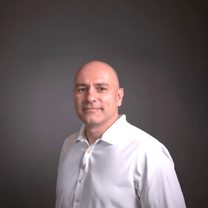
Fadi Stephan

Fadi Stephan is the Founder of Kaizenko, a Technology Executive and…

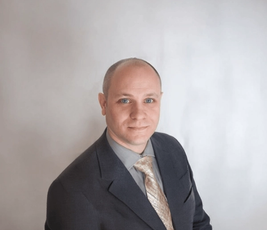
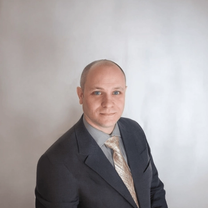
Rick Waters
Rick Waters is the President of Wisecrum Associates, LLC and the Founder of…


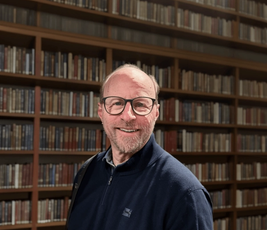
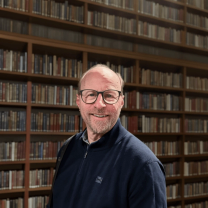
Bob Schatz
Bob Schatz is a leader in implementing Agile development techniques such as…


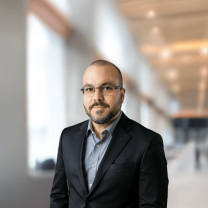
Marco Mulder
Marco Mulder is a Scrum Coach and Trainer.

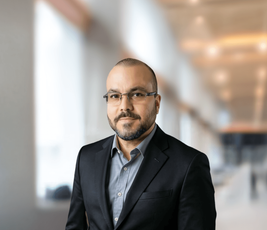
Heitor Roriz
Heitor Roriz has contributed to Agile methodologies through articles…


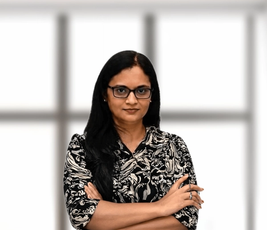
Madhavi Ledalla
Passionate Transformational Enthusiast with a Strong Technological Background.


The CSM Curriculum in Six Modules
Six game-based modules that take Minneapolis learners from Scrum basics to running sprints.
Agile and Scrum Overview
Scrum's foundations and the values and principles of the Agile Manifesto, explored through the Draw and Demonstrate activity.
- At the initial of the course, you are going to complete the ‘Draw and Demonstrate’ activity to understand the 12 principles and four values according to the Agile Manifesto. This CSM scrum foundation module will help you understand the CSM role in modern organizations.
- Illustrate these values and principles in detail and understand how to use them in daily practice.
- Learn how to take the path of responding to change, instead of following the traditional path of working.
- Examine the connection between core values such as focus, courage, respect, commitment, openness, and various Scrum roles.
- Enumerate the approach through which any individual may adopt the Agile mindset.
- Learn the differences between Scrum and Agile to be able to define both terms and why one cannot use it interchangeably with the other.
Scrum Roles: What they Are?
What the Scrum Master, the Product Owner and the team each do, and the challenges each role meets, learned through role-based games.
- In this part, you will discover the three Scrum roles using some fun role-based activities and games. Understanding the CSM role is crucial for success in CSM jobs across industries. Playing a simulation game you will be able to lead your team to accomplish a project with the highest potential goal in the shortest possible time. To put it more bluntly, you will be able to operate within an Agile framework and environment with the help of various roles.
- Figure out three ways in which you can improve both the performance of the team, as well as the turnaround time.
- Learn about Product Owner and Scrum Master roles and how they cannot be used interchangeably.
- Figure out ways in which the Product Owner acts as a bridge between the stakeholders and the team.
- Enumerate how a Scrum Master is never involved active participant but is rather just a facilitator.
Conduct Scrum Ceremonies
Scrum ceremonies, sprint planning, goal setting and the sprint review, tried out across the sprints of the Paper Plane game.
- Understand the five Scrum Ceremonies through the Paper Plane game with the three sprints. In this module, you will learn to develop user story executions with different features, acceptance criteria, and functionalities. At the end of the games, you will be able to:
- Know the purpose of sprint planning, daily scrums, sprint reviews, and retrospectives.
- Learn why sprint scope and duration are fixed.
- Discover three ways to avoid tasks spilling into the next sprint.
- Define sprint goals and their five benefits.
- Identify five tips for better communication between the Scrum Master, Product Owner, and the team.
- Discuss three negative impacts of canceling sprints and how to prevent them.
- List ten common sprint anti-patterns and understand their effects on delivery time.
Continued Improvement
The product increment and the product and sprint backlogs, applied in the Crime Teller simulation to refine a backlog sprint by sprint.
- Experience Scrum in action with our simulation game called ‘Crime Teller.’ It comprises of three Sprints where the participants will directly be involved in the process of enriching the product backlog and using other Scrum artifacts addressing a ‘crime story’. Thus, by participating you will get the real life views on how Scrum works in real projects!
- Sprint Retrospectives: Facilitating retrospectives to identify areas for improvement.
- Feedback Loops: Implementing mechanisms for continuous feedback within the team.
- Adaptation Strategies: Techniques for adapting processes based on retrospective outcomes.
- Building an Agile Mindset: Encouraging a culture of flexibility and responsiveness to change.
- Measuring Team Performance: Utilizing metrics for identification of the team’s performance and productivity.
- Define the goal of the product backlog and delve into the measures for improving the backlog.
- Discuss and recommend the best time and resources that needs to be applied to the product backlog refinement activity.
Scaling Scrum
Planning sprint execution, managing flow and running resolution meetings, with the Coin Game showing what can go wrong mid-sprint.
- Discover more about the Scrum life cycle process through the “Coin Game.” In this activity, the participants will link ceremonies in order to set right goals for the sprint. This module will discuss more of what can go wrong during the sprint execution and how the team members can deal with it. By the end of this activity, you will be able to:
- Clarify the differences between resolution meetings and daily stand-ups.
- Highlight the advantages of working closely with product owners.
- Identify three downsides of excessive collaboration with product owners.
- Share three effective strategies to overcome obstacles and enhance collaboration.
- Demonstrate how to create a sprint burndown chart effectively.
- Explain three approaches to improve team efficiency.
Real-world Application of Scrum
Daily scrums and sprint retrospectives as working teams hold them, put to the test in the Marshmallow Tower challenge.
- Gain insights into daily scrums and sprint retrospectives in real Scrum projects by participating in the “Marshmallow Tower” game. The goal is to build the tallest tower within a limited time, and by using the least amount of materials. Acceptance criteria will be set by the instructor. By the end of this activity, you will be able to:
- Understand the significance of the 15-minute timebox for daily scrum meetings.
- Identify three key differences between traditional meetings and daily stand-ups.
- Outline two roles each for the Scrum Master , Product Owner, and Development Team during daily scrums.
- List the three critical questions that guide the daily scrum agenda.
- Identify two responsibilities for the Scrum Master , Product Owner, and Development Team during the sprint retrospective.

Reviews from Minneapolis Learners
What Scrum Masters, product owners and team leads in Twin Cities medtech, healthcare and retail say.

Best agile certification!
The certified scrum master training in Minneapolis was outstanding. I passed the certified scrum master exam and got a job right after with a 67% salary jump.

Worth every penny!
Indeed, there was excellent CSM certification training in Minneapolis, taught with great knowledge and experience with real working scenarios. David told me that he clearly saw benefits with a 69% CSM Salary boost after certification.

Highly interactive training!
Excellent CSM training in Minneapolis with exciting activities. The scrum master course in Minneapolis gave me tools I use all the time for sprints in healthcare.


Transformed Delivery!
It is the illustration of the great success of the scrum master certification in Minneapolis. Scrum practices taught in the training course helped my team boost velocity by 72% growth.

Best trainers
After completing agile certified scrum master training in Minneapolis, Michael Johnson got promoted to Agile Coach.

Great practical focus!
Having participated in the CSM course in Minneapolis, Robert Wilson replied, "There was a perfect balance of theory and practice!" I felt great confidence for certification success as a result of the interactive workshops and exam preparations.

Outstanding structure
The scrum master certification training in Minneapolis helped me simplify the Scrum framework. It was a great training for my retail skills as it became instantly applicable and valuable.

Great networking value!
The benefits that came from the certified scrum master course in Minneapolis were the great connections I made across diverse industries. They opened doors for me to enterprise coaching and certified scrum master jobs.

 Trustpilot
 Course Report
Book a Free 15-Minute Advisor Call
Unsure whether the CSM fits your next step in the Twin Cities? Talk it through with a career advisor, free.
Minneapolis CSM FAQs
What Minneapolis learners ask most about the CSM: formats, course length, what the fee covers, exam timing and pass rates.
01What training formats does the Minneapolis CSM course offer?
The CSM course is taught live online by a Certified Scrum Trainer, in weekday and weekend batches. Learners in Downtown, Edina, Bloomington and St. Paul join from their desk or home, with no commute.
02What is the standard course duration for complete preparation?
Meeting the requirements of the Scrum Alliance, the certified scrum master training is fully attended over the course of 2 days (16 hours).
03Are flexible payment options available in Minneapolis?
Yes, we offer payment plans, corporate billing, and group discounts, in addition to certified scrum master certification cost early-bird pricing, recruitment funding, and corporate payment options.
04How soon after training can I sit for the CSM exam?
CSM exam access is assigned immediately after training attendance, and CSM exam attempts are included with the paid exam fee.
05What does the CSM course fee in Minneapolis include?
The fee shown in the tuition section for your country covers 16 hours of live training, the training materials and the CSM exam fee with two attempts, plus a two-year membership of Scrum Alliance.
06Are there any CSM prerequisites for enrollment?
There are no formal prerequisites for the certified scrum master certification. However, having a basic understanding of software development or project management does significantly enhance the learning experience.
07What is the CSM exam pass rate for students in Minneapolis?
Students in the top-ranked CSM certification in Minneapolis have an impressive pass rate of 98% on their first attempt, which is higher than the global average for the Scrum Alliance.
08Do you offer any job placement support for CSM positions?
Yes, Blueprint Career Services includes resume assistance, interview preparation, and direct partnerships with healthcare and medical technology employers in the Minneapolis area.
Skills You Will Take Away
Six Scrum skills that medtech, healthcare and retail teams across Minneapolis use every sprint.
Scrum Fundamentals
Get to grips with the values, pillars and iterative rhythm behind Scrum, and see why the CSM role is central to continuous improvement.
Scrum Roles
Learn what the Scrum Master, the Product Owner and the Developers each own, and how their responsibilities fit together on a team.
Scrum Events
Work through Sprint Planning, the Daily Scrum, the Sprint Review and the Retrospective, and the purpose each event serves.
Scrum Artifacts
Use the Product Backlog, the Sprint Backlog and the Increment to make progress visible and keep a sprint on track.
Servant Leadership
Discover how a Scrum Master leads by serving, clearing the way so a team can organize itself and deliver well.
Facilitating Scrum Events
Practise running Scrum events that stay focused, draw in the whole team and end with the sprint goal in reach.
Eligibility

CSM Prerequisites for Minneapolis Learners

Minneapolis professionals can enroll in the CSM course with no formal prerequisite to meet first.
Some basic Scrum knowledge is recommended before class, though nobody is turned away without it.
A working familiarity with Agile principles helps, and a short read of Scrum basics beforehand pays off in class.

Who This CSM Course Suits
Built for Minneapolis project managers, product owners, analysts, developers and QA engineers moving into Agile delivery.
Project Managers
Product Owners
Scrum Masters
Business Analysts
Software Developers
Quality Assurance Engineers
Agile Coaches
Team Leads
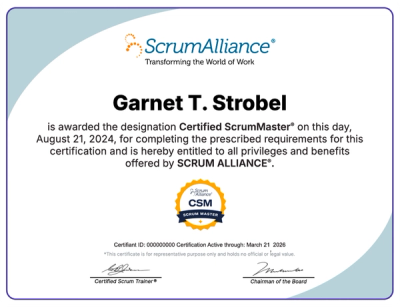
Earn Your CSM Certificate
Master Agile methodologies
Learn to run Scrum frameworks, plan sprints, lead stand-ups and help a team work as one.
Boost your project management career
The CSM adds a globally recognized credential to your profile for Agile roles in and beyond the Twin Cities.
Become an effective Scrum leader
Guide self-organizing teams, remove the blockers in their way and keep improvement going sprint after sprint.
Certification

Want all of this in one file?
The week-by-week curriculum, the schedule and the fee, as a PDF you can read offline or forward to whoever signs it off.
Train Your Minneapolis Scrum Teams Together
Put your Minneapolis teams through Certified ScrumMaster training as a private live online cohort. They learn to collaborate, share a clear product vision and follow Agile principles, whether they build medical devices, run healthcare services or serve retail customers.

An Award Winning End-to-End Talent Solutions
Our cutting-edge platform empowers businesses to strategically hire, develop, and retain top talent.
Best Practices
Current Scrum practices and the latest tools.

Business Alignment
Skill building tied to your business objectives.
Expert-Led Sessions
Experts teach your people live, in real time.
Mentor Support
Mentors guide your team before and after class.
Top Companies Rely on Us to Upskill Their Workforce










Your Minneapolis CSM Questions
01Which topics are included in the curriculum?
This curriculum includes the Scrum framework, roles, events, artefacts, scaling Scrum, the agile model, and case studies in Minneapolis medical technology.
02What are the complete certified scrum master prerequisites for certification?
There are no certified scrum master prerequisites…but you must attend the complete 16-hour certified scrum master training session in Minneapolis to qualify to take the exam.
03What learning materials come with the CSM course in Minneapolis?
Learners receive preparation materials and study guides, the Scrum Guide, CSM exam practice questions and lifelong access to the learning material.
04Are there convenient schedules for working professionals in CSM classes in Minneapolis?
Yes. Live online batches run on weekdays and at weekends, so busy professionals in Downtown, Edina, Bloomington and Eden Prairie can join without travelling.
05To what extent does the CSM online course in Minneapolis work?
The live online course keeps the interactive exercises of a face-to-face class, with breakout rooms, collaboration tools and recorded sessions.
06How many learners are in each Minneapolis CSM class, for individual attention?
In our CSM certification training in Minneapolis, we have the best limited class size of 15-25 participants in order to facilitate interactive learning and provide individual attention.
07Is there full Scrum Alliance membership support during the CSM certification exam?
Full support is provided on the Scrum Alliance registration, profile creation, CSM exam scheduling, and guide renewal to sustain CSM benefits throughout the career.
08If I do not pass the certified scrum master exam on the first try, what will happen?
Within the certified scrum master certification fee, you're allowed 2 attempts at the CSM exam. All other attempts will have to be paid according to the policy of the Scrum Alliance.
09Is there any other networking in the course in Minneapolis?
Yes, there are networking sessions, alumni meetups, other agile community events, and CSM jobs market connections, especially MedTech, healthcare, and retail sectors.
10What qualifications do the Minneapolis CSM instructors hold?
All instructors have attained the title of Certified Scrum Trainer (CST) and have over a decade of agile experience working for top-tier corporations in Minneapolis, and have demonstrated excellence in teaching.
01What is the level of practical application in the CSM class in Minneapolis?
Practical exercises, simulations, group work, Scrum games, and participatory workshops account for 60% of the course.
02What is the daily schedule like for certified scrum master intensive classes in Minneapolis?
These are full-day courses from 9 AM to 6 PM, scheduled over 2 days and include deliberate breaks, exercises, Scrum practice, and other active learning.
03Do you provide other preparation materials for the CSM exam in addition to the training?
Free practice questions on topics related to the CSM certification exam, tips for the exam, training for individual coaching, and preparatory materials for comprehensive preparation.
04Is it possible for organisations to have custom programs for scrum master certification in Minneapolis?
Custom programs are offered, including your organization's situations, processes, teams, and objectives related to the agile transformation of your organization.
05What is the learning environment like in the live online classes?
Classes run live online with breakout rooms, collaboration tools, group exercises and recorded sessions, so Minneapolis learners in Downtown, Edina or Bloomington take part from wherever they work.
06Training might present peer learning opportunities.
Collaboration, peer learning, and relationship building are enhanced via group work activities, sharing peer experiences, and CSM simulations in the framework of salary expectations and jobs of a certified scrum master.
07To what extent did you tailor the training to Minneapolis's business environment?
Case studies of Minneapolis-based medical devices, healthcare, and agile institutions, and the implementation of agile methodologies are used to teach the concepts and skills of the training.
08What resources are available after the training ends to continue learning?
Participants receive training resources, recorded sessions and updated materials, along with the agile meetups the trainers host each month, Scrum Alliance resources, alumni groups and mentoring.
09What about training for specific Scaled Scrum frameworks?
We offer training in the Scaled frameworks, LeSS, Nexus, and SAFe and enterprise agile practices to fully meet the Scrum Alliance's expectations and practices.
10How does the Minneapolis CSM course support different learning styles?
We adopt a blended learning model that includes lecture, visuals, activities, simulations, group discussions and experiential learning to tailor learning to different styles.
01How much do you charge for the certified scrum master certification?
The total covers the 16-hour training course, study materials, the CSM exam with two attempts and a two-year Scrum Alliance membership. The tuition section shows the current price for your country.
02Do you offer early registration discounts for the CSM certification training in Minneapolis?
When an early-registration offer applies to a Minneapolis batch, the price in the tuition section for your country already includes it. An advisor can confirm the offer before you pay.
03What are your corporate group discounts for organizations?
Organizations enrolling a group get pricing quoted for their team, and the price per person falls as the group grows. Our enterprise team will prepare a quote for your Minneapolis team.
04What payment forms do you accept for the CSM training in Minneapolis fees?
We accept all of the major credit and debit cards, along with corporate purchase orders, and we even offer payment plans.
05What are your cancellation policies?
Cancellations follow our Cancellations & Refund Policy. Cancel more than 48 hours before the start date for a 100% refund, or within 48 hours of it for a 50% refund; once the cohort starts, no refund applies. You can defer to a later batch instead: the first deferment is free, and later requests without a valid reason cost 10% of the course fee, subject to seats.
06Is the CSM certification cost in Minneapolis tax-deductible?
Most employers view training sessions as a valid professional development expenditure. To facilitate reimbursement and tax deductions, we issue formal invoices and certificates.
07Do you have scholarships for the scrum master certification in Minneapolis?
Yes, we offer select merit-based scholarships for students who have outstanding need and exceptional agile skills and enthusiasm, and have a clear vision for their professional and personal development.
08What does the cost of the certification cover?
Training sessions, study materials, one CSM exam fee, one free retake, two-year membership with the Scrum Alliance, and one digital badge for use on professional profiles.
09Do you provide individual installment plans?
Training is designed with no financial burdens, so all professionals, regardless of budget, can enroll.
10Are there any other expenses other than the training fee?
No. The course fee includes the CSM exam fee, one retake and the two-year Scrum Alliance membership. Only attempts beyond the included retake are paid to Scrum Alliance under its own policy.
01Is certification worth it for professionals in the Medical Technology field in Minneapolis?
Yes! The benefits are great in the Medical Device field in Minneapolis. The salary premium for a certified Scrum Master is there, and the job opportunities CSM opens are significant.
02In what ways does certification in Minneapolis aid software developers?
It is vital for comprehension of Agile teamwork, sprint planning, and other areas of delivery excellence. The CSM salary increase accompanying the promotion is significant and supports career progression to a greater level in technical/leadership.
03What jobs and advancement can a certified scrum master pursue after certification?
The opportunities are Scrum Master, Agile Coach, Product Owner, Delivery Manager, and Program Manager; all of these certified scrum master jobs come with a considerable salary increase for the CSM.
04How relevant is the training in regard to Minneapolis's various industries?
Very relevant! The current training is applicable to the medical technology, healthcare, retail, manufacturing, and financial services industries that dominate the Twin Cities.
05Can new people obtain the certification and not meet the Certified Scrum Master (CSM) requirements?
Yes! Unlike PMP, there are no experience-related Certified Scrum Master requirements. New people achieve early certifications and establish careers in Agile.
06How does certification stack against other Agile certifications?
CSM is the most recognized Scrum certification from the Scrum Alliance. It is more basic than SAFe or PSM and has more universal recognition.
07What are the certification's validity and renewal requirements?
The certification is valid for two years. Renewal is through earning 20 SEUs (Scrum Education Units) and payment of the renewal fee while keeping the benefits.
08Are there local Agile communities for networking after completing the Certified Scrum Master exam?
Yes, there is an active Agile Minnesota Chapter, local Scrum Alliance events, and meetups that enable certified professionals to maintain their networks and pursue certified Scrum Master roles.
09How soon will I see a return on my CSM certification in Minneapolis?
Most professionals earn back the investment in 2-3 months due to CSM-salaried roles and then promotion to better CSM roles with higher pay.
10Does Techademy offer additional opportunities for learning beyond the CSM certification exam?
Techademy does offer courses on Scrum, A-CSM, other workshops on agile, and other community events designed to help professionals provide and successfully utilize the certification benefits.